East Vail, CO Neighborhood Guide
Vail, Colorado · Eagle County · 81657
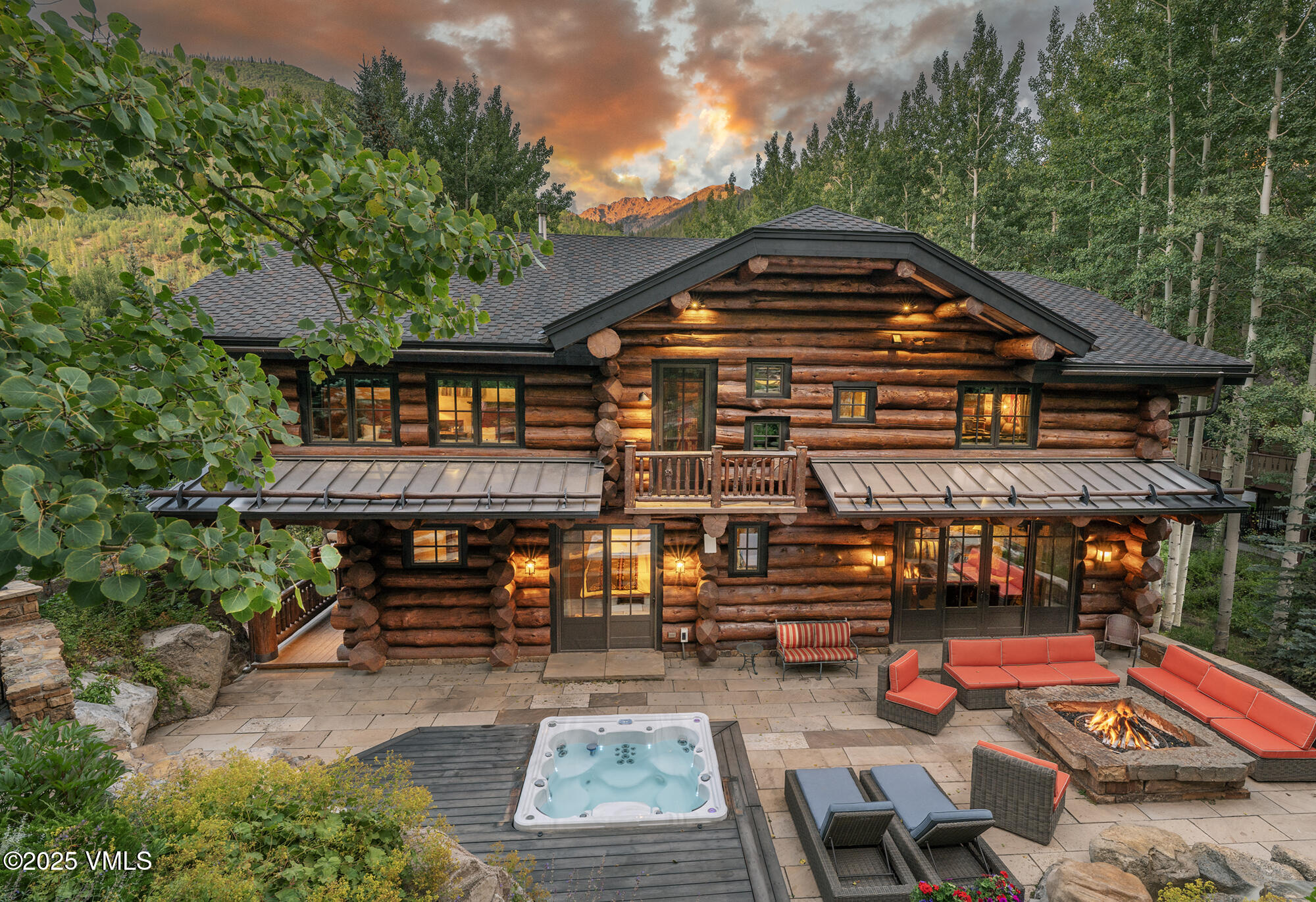
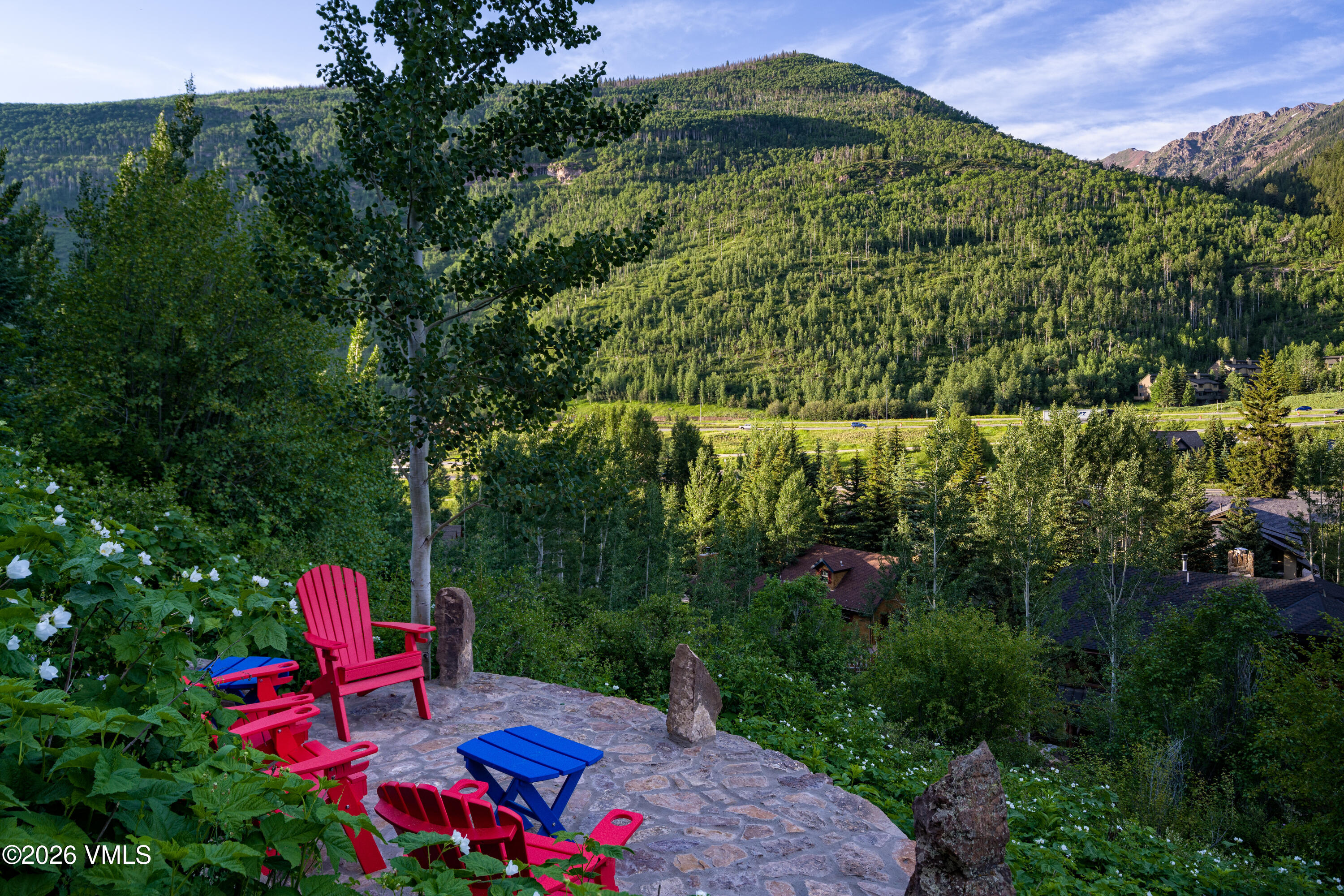
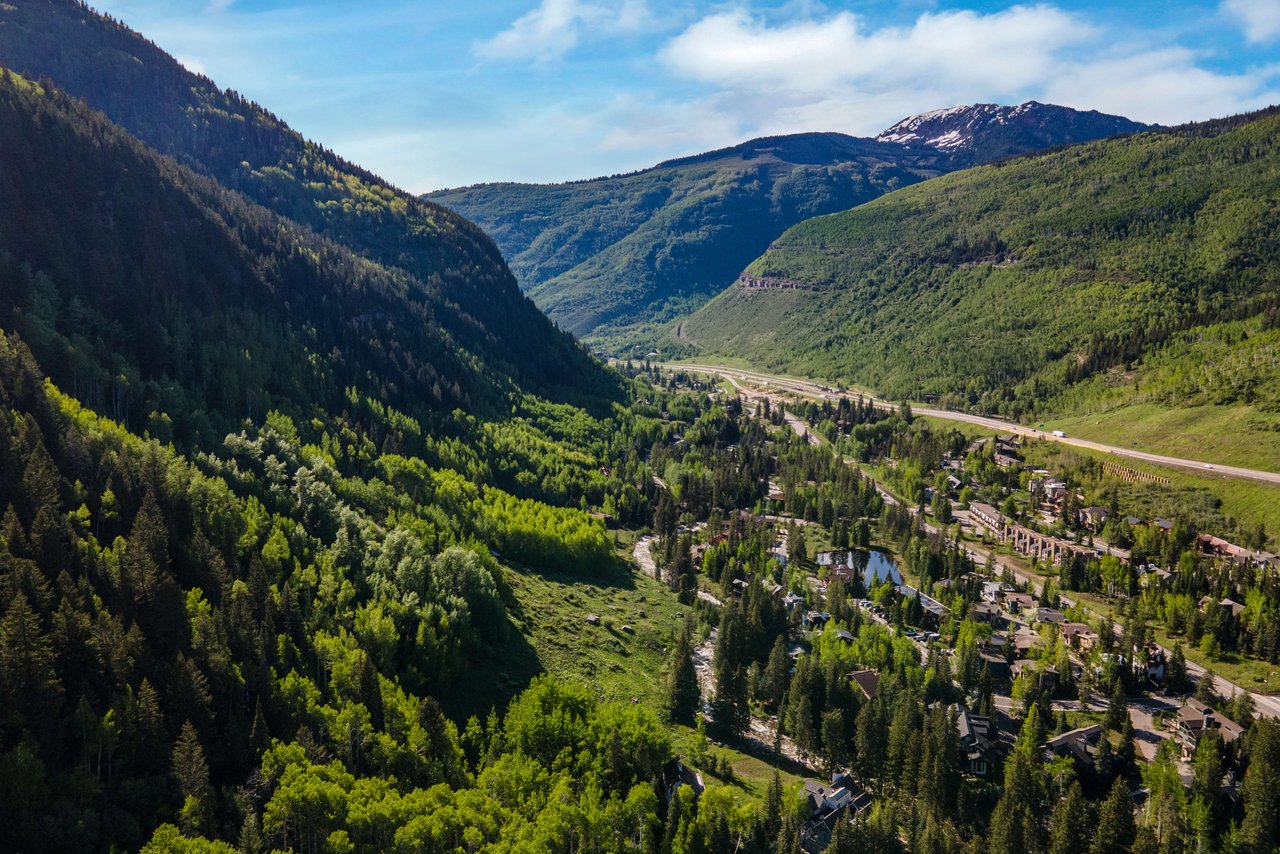
East Vail is where the mountain takes over completely. Just four miles east of Vail Village along Interstate 70, the neighborhood sits at the foot of the Gore Range inside the White River National Forest, with Gore Creek threading through the valley floor and trails rising straight from residential streets into the Eagles Nest Wilderness. It is one of those rare places where the distinction between living and being outdoors essentially disappears — the wilderness is not a destination you drive to on weekends, it begins at the end of your driveway.
The neighborhood draws two distinct kinds of buyers. The first are year-round residents — ski instructors, resort employees, healthcare professionals, and remote workers — who want authentic mountain living at prices that, while still significant, represent meaningfully better value than Vail Village or Lionshead. The second are second-home buyers and investors who recognize that East Vail's proximity to world-class skiing, short-term rental flexibility in many properties, and access to the free Town of Vail bus system create a compelling ownership proposition in a market defined by permanently constrained supply.
This guide covers the history, lifestyle, real estate market, schools, amenities, neighborhoods, and investment picture for East Vail, Colorado.
| Key Facts: East Vail, CO |
| County |
Eagle County, Colorado |
| Community Type |
Residential neighborhood within the Town of Vail; eastern end of the Vail valley |
| Location |
Approximately 4 miles east of Vail Village via I-70; eastern terminus of the Town of Vail along Gore Creek |
| Elevation |
Approximately 8,200–8,600 feet above sea level; within the White River National Forest |
| Town of Vail Population |
Approximately 4,800 full-time residents; additional 5,000 part-time and seasonal residents |
| Median Home Price (Vail overall) |
$1.6 million (Zillow, 2025); East Vail condos from $585K; single-family from $1.2M+ |
| Vail Single-Family Median |
$1.88 million median; $3.1 million average (Eagle County REALTORS®, August 2025) |
| Price per Square Foot |
East Vail: approximately $950–$1,200/sq ft; Vail Village and Lionshead: up to $1,700/sq ft |
| School District |
Eagle County School District RE 50J; Vail Ski & Snowboard Academy (public, ranked #7 in Colorado) |
| ZIP Code |
81657 |
| Transportation |
Free Town of Vail bus service with East Vail loop; I-70 access; average commute 13 minutes (2022 ACS) |
| Nearby Destinations |
Vail Village (4 miles west), Vail Ski Resort, Booth Falls, Gore Creek Trail, Vail Golf Course, Lionshead (5 miles west) |
| Property Tax Rate |
Eagle County average approximately 0.34%; taxes on a $1.6M home run roughly $5,440/year |
East Vail Lifestyle Snapshot
An editorial snapshot of the neighborhood's strongest lifestyle attributes, not a statistical ranking.
Mountain & Wilderness Access
Skiing & Winter Recreation
Serenity & Natural Setting
Rental & Investment Potential
Vail Village Access via Bus
Community Overview
East Vail occupies a singular position in the Vail Valley real estate landscape. It is the most nature-immersed residential area within the Town of Vail limits, the most direct access point to the Eagles Nest Wilderness, and the only neighborhood in the valley where world-class skiing, fly-fishing, waterfall hikes, and backcountry powder runs are all within walking distance of home. At the same time, it is meaningfully more accessible in price than Vail Village or Lionshead, with condos starting in the high five-figure to low seven-figure range and price-per-square-foot metrics running $300 to $500 below the most central neighborhoods.
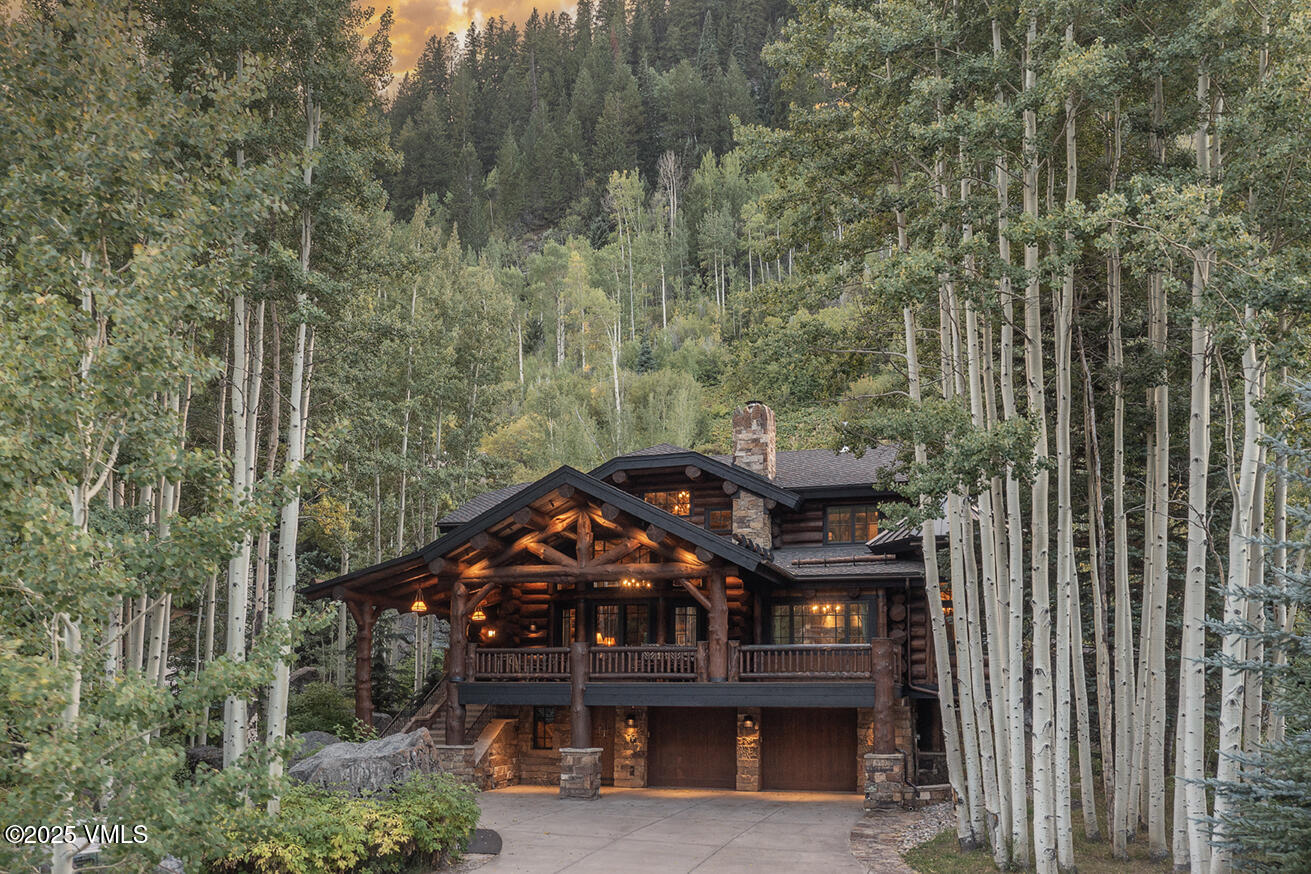
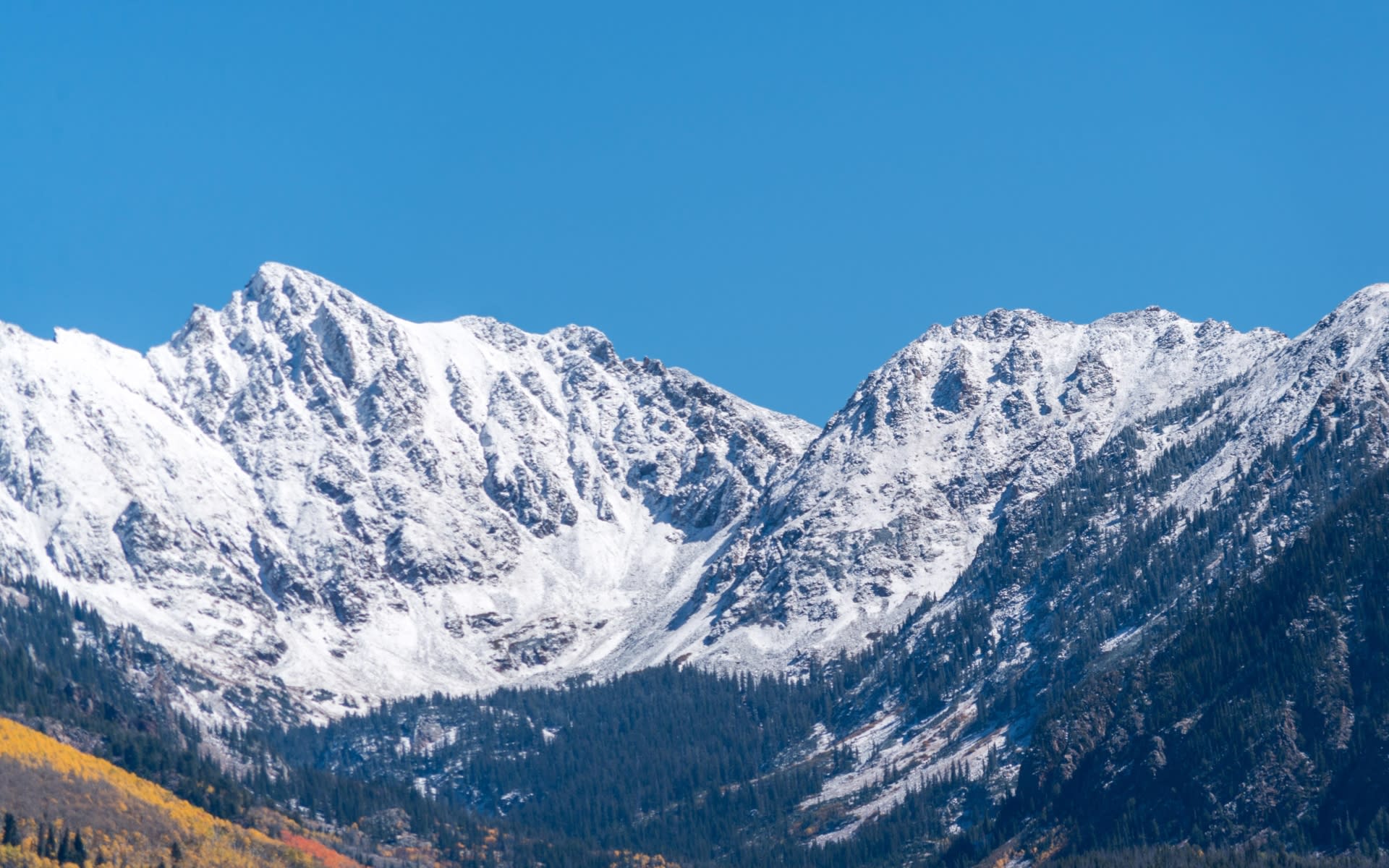
The community has Gore Creek running through it, aspen groves surrounding the homes, and the towering ledges of the Gore Range as a constant backdrop. Year-round residents — a mix of ski industry professionals, remote workers, healthcare and education employees, and outdoor enthusiasts — give it a genuine neighborhood character that pure resort communities often lose. Second-home owners appreciate the combination of short-term rental flexibility in many East Vail properties and the free Town of Vail bus system, which eliminates the need to drive to the mountain or Vail Village on ski days.
$1.6M Vail median home price (Zillow, 2025)
$950–$1,200 Price per sq ft in East Vail
4 miles Distance to Vail Village by bus
350K acres Surrounding White River National Forest
0.34% Eagle County avg. property tax rate
13 min Average Vail commute time
East Vail is surrounded on three sides by the White River National Forest — 350,000 acres of protected wilderness that permanently eliminates any possibility of development pressure from the adjacent land. Supply in East Vail is structurally constrained in a way that even other resort communities cannot claim. No new mountain land will ever be released for development here.
History & Heritage
The land that is now East Vail was high-country hunting and fishing territory for the Ute people for centuries before European arrival. The surrounding Gore Range and its creek system provided abundant game and summer pasture, and Ute trails through the valley remain the basis of several modern hiking routes. The name "Gore" attaches to the range, the creek, and the valley from Sir St. George Gore, a wealthy Irish baronet who made an extravagant hunting expedition through the territory in 1854–55, accompanied by more than 100 men, 50 horses, and a large collection of sporting equipment.
Modern Vail as a destination began in 1954, when Pete Seibert — a veteran of the Army's Tenth Mountain Division, which had trained in these mountains during World War II — partnered with uranium prospector Earl Eaton to survey Vail Mountain for a ski resort. Construction began in spring 1962. By November 1962, the resort opened with the first gondola in the United States, two double chairlifts, and six square miles of skiable terrain. The Town of Vail was incorporated on August 23, 1966, making it one of the youngest incorporated municipalities in Colorado.
East Vail developed as the quiet, nature-oriented extension of the town as the resort grew westward through Vail Village and Lionshead in the late 1960s and 1970s. Condominiums and duplex homes were built into the valley along the frontage road and near Gore Creek, taking advantage of the dramatic mountain setting while maintaining a residential scale distinct from the resort core. The neighborhood's character — wooded, creek-lined, trail-adjacent — has been preserved by the surrounding national forest boundary, which makes further development physically impossible.
The Tenth Mountain Division's wartime training in the Vail area is a foundational piece of the town's origin story. Pete Seibert and many of the early visionaries who created the resort were veterans of that division, and their familiarity with the terrain from military service drove them back to these mountains after the war. The Tenth Mountain Division Hut System — a network of backcountry ski huts extending across the Colorado Rockies — honors this history and remains one of the most distinctive winter recreation assets accessible to Vail area residents.
Map & Transportation
East Vail sits at the eastern end of the Town of Vail, accessible from I-70 at exit 180. The North Frontage Road and South Frontage Road parallel the interstate through the neighborhood, with residential streets and condo complexes clustered around Booth Falls Road, Bighorn Road, Columbine Drive, and the creek-side parcels along Gore Creek. Vail Village and the base of Gondola One are approximately four miles west along the frontage road.
| Destination |
Approximate Distance / Time |
Route / Mode |
| Vail Village / Gondola One |
4 miles / 8–12 min by bus, 10–14 min by car |
Free Town of Vail East Vail bus loop — no parking required |
| Lionshead / Gondola 8 |
5 miles / 12–18 min by bus |
Free Town of Vail bus system |
| Vail Golf Course |
2 miles / 5 min |
Frontage Road west |
| Booth Falls Trailhead |
Within neighborhood / 2 min |
Booth Falls Road at the end of the neighborhood |
| Eagle County Regional Airport (EGE) |
35 miles / 35–45 min |
I-70 west to Eagle |
| Denver International Airport (DEN) |
100 miles / 1 hr 45 min–2 hr 15 min |
I-70 east over Vail Pass and through the Eisenhower Tunnel |
| Beaver Creek Resort |
18 miles / 20–25 min |
I-70 west to Avon exit |
| Vail Pass (cycling / snowshoeing) |
5 miles east / 10–15 min |
I-70 east or the Vail Pass recreation path |
The free Town of Vail bus system is one of East Vail's most practical advantages. It loops through the neighborhood on a regular schedule and delivers residents directly to Vail Village and Lionshead year-round. On ski days, that means no parking fee, no traffic, and no circling the village looking for a space — a meaningful quality-of-life benefit that East Vail residents cite consistently. About 12% of Vail commuters use public transit, an unusually high rate for a mountain town, and the East Vail bus loop is a significant driver of that number.
Real Estate Market Trends
East Vail sits within one of the most structurally supply-constrained real estate markets in the American West. The Town of Vail is surrounded on all sides by White River National Forest and Eagles Nest Wilderness — there is no adjacent land to develop, and the town itself has been effectively built out since the 1990s. What exists is what will be available for the foreseeable future. That physical constraint, combined with permanent global demand for Vail's skiing and outdoor lifestyle, has produced a market that has appreciated steadily over decades and has shown remarkable resilience to national economic cycles.
$1.88M Eagle County single-family median (Aug 2025)
$3.1M Eagle County single-family average (+9% YTD)
$1.04M Eagle County condo/townhome median
$3.6B Eagle County total real estate sales (2024)
+30% Inventory increase YoY (more buyer options)
83 days Average days on market (Eagle County)
| Property Segment |
Market Character |
Buyer Consideration |
| East Vail condos (1–2 bedroom) |
Most accessible entry into the Vail market; some units from the mid-$500Ks; strong short-term rental income potential |
Properties on the Town of Vail bus line with no short-term rental restrictions are the most competitive; verify HOA rules and rental flexibility carefully |
| East Vail condos (3–4 bedroom) |
Family-sized units in complexes like Timber Falls; documented rental income of $44K–$59K net annually; fully furnished turnkey available |
$1M–$2M range depending on size and views; properties with mountain views and pool/amenity access command the highest premiums |
| East Vail single-family and duplex |
Limited inventory; large lots relative to Vail Village; Gore Creek proximity and Gore Range views are the primary value drivers |
$1.2M–$4M+ range; homes on or near Gore Creek are the most sought-after and rarely appear on the market |
| Vail-wide luxury / $5M+ |
Hillside estates and premium locations; $1,500–$1,700/sq ft in core neighborhoods; East Vail hillside homes reach $3M–$6M for premium views |
International buyer pool expanding; Mexico, Canada, and Europe increasingly represented; cash transactions common at upper price points |
East Vail's price-per-square-foot advantage over Vail Village and Lionshead is real and meaningful. At $950–$1,200 per square foot versus up to $1,700 in the resort core, buyers get significantly more space for the same dollar — plus direct trail access, creek-side settings, and the mountain character that draws people to Vail in the first place. The tradeoff is a short bus ride rather than ski-in/ski-out access, which for most buyers is an entirely reasonable exchange for the price differential and the incomparable natural setting.
Several East Vail condo complexes are on the free Town of Vail bus line and carry no short-term rental restrictions — meaning owners can use any management company or platform. Documented net rental income of $44,000–$59,000 annually for four-bedroom units makes the carrying cost calculation for investment buyers meaningfully more favorable than the sticker price alone would suggest.
Lifestyle
Life in East Vail moves to the rhythm of the mountains — and that rhythm changes completely with the season. In winter, the neighborhood is three minutes from the base of the East Vail Chutes and a short bus ride from Gondola One, with backcountry access from Vail Pass just minutes to the east. In summer, the Gore Creek Trail, Booth Falls, Gore Lake, and dozens of wilderness routes begin at the end of residential streets, wildflowers carpet the valley floor from July through August, and the aspen groves turn electric gold each September in one of the most spectacular fall color displays in the Rockies.
Vail Ski Resort
The largest ski mountain in Colorado, covering 5,317 acres with 195 trails across three bowls and front-side terrain. East Vail provides direct access to the East Vail Chutes — some of the most celebrated expert and backcountry skiing terrain on the mountain — and is a short bus or car ride from Gondola One. Vail Mountain also includes world-class terrain parks, Nordic areas, and legendary Back Bowls.
Booth Falls Trail
One of the most popular hikes in the Eagles Nest Wilderness, beginning at Booth Falls Road in East Vail. A 4-mile out-and-back trail climbs 1,300 feet to a spectacular 60-foot waterfall, with views of the Gore Range opening progressively as the trail ascends. The trail continues beyond the falls to Booth Lake at 3,036 feet of total elevation gain. AllTrails lists over 6,600 reviews.
Gore Creek Trail
A popular out-and-back trail that follows the banks of Gore Creek from East Vail westward through the valley. Moderate terrain with wildflower viewing, wildlife sightings, and consistent creek views. Connects to the Gore Valley Trail and the broader 17-mile Vail paved recreation path system. Accessible directly from East Vail residential streets.
Fly Fishing on Gore Creek
Gore Creek runs through East Vail and is one of the most productive wild trout streams in Colorado. Anglers fish for brown and rainbow trout along the creek-side stretches accessible from the neighborhood. The creek's Gold Medal stretch attracts fly fishermen from across the country for its technical, rewarding fishing in a dramatic alpine setting.
Bighorn Park
A community park in East Vail with a pond, picnic areas, playground equipment, and open green space on the banks of Gore Creek. Consistently described by East Vail residents as the neighborhood's most beloved gathering place, especially for families and dog owners who use it year-round. The park reflects the residential character of East Vail as a community within a resort town.
Vail Cultural Calendar
The Town of Vail hosts a year-round events calendar accessible to East Vail residents on the free bus system. Highlights include Bravo! Vail Music Festival (world-renowned orchestras in an outdoor setting), Vail Dance Festival, the Burton US Open Snowboarding Championships, Vail Film Festival, and GoPro Mountain Games — one of the largest outdoor sports festivals in the country.
Amenities
East Vail's immediate amenity footprint is residential rather than commercial — the neighborhood is intentionally quiet, with the village core accessible by bus. Within the neighborhood, Gore Creek Campground, Bighorn Park, and the trailhead infrastructure give residents daily outdoor access without leaving home. Vail Village and Lionshead, four to five miles west on the free bus, provide everything else: world-class dining, boutique and retail shopping, spa and fitness facilities, art galleries, and live entertainment.
| Category |
What's Available |
| Skiing & Snow Sports |
Vail Mountain (5,317 acres, 195 trails); access to East Vail Chutes; Vail Pass backcountry; Beaver Creek Resort 18 miles west; Nordic skiing at the Vail Golf Course; Tenth Mountain Division Hut System for backcountry hut-to-hut skiing |
| Summer Recreation |
Booth Falls Trail (4 miles, Eagles Nest Wilderness), Gore Creek Trail, Bighorn Trailhead, Gore Lake, Vail Pass recreation path (cycling), 17 miles of paved valley paths, GoPro Mountain Games, Vail Golf Course, Vail Racquet Club Mountain Resort |
| Dining |
Local East Vail options include Après Café at Timber Falls; Vail Village and Lionshead (4–5 miles west via free bus) offer dozens of award-winning restaurants including Matsuhisa, Sweet Basil, Mountain Standard, Larkspur, and Flame — consistently among the best resort dining in the Rocky Mountain region |
| Healthcare |
Vail Health Hospital (a nationally recognized mountain health system) serves the Vail Valley from its main campus in Edwards and a Vail facility; Steadman Clinic in Vail is one of the world's premier orthopedic surgery centers and a top destination for athletes from around the world |
| Grocery & Everyday |
City Market (supermarket) in East Vail is the most convenient grocery option for neighborhood residents; additional grocery access in Avon and Edwards 15–20 minutes west; Whole Foods in Avon |
| Arts & Culture |
Bravo! Vail Music Festival, Vail Dance Festival, Vail Film Festival, Gerald R. Ford Amphitheater (outdoor performances), Vail Valley Foundation events; Colorado Mountain College Vail Valley campus for continuing education |
Vail Health and the Steadman Clinic represent healthcare infrastructure that most mountain communities of 5,000 people could never support independently. The Steadman Clinic has treated professional athletes, Olympians, and orthopedic patients from over 50 countries, and its presence in Vail gives residents access to some of the most advanced musculoskeletal care in the world within walking distance of the ski mountain. For buyers who are active in high-risk sports, that proximity has genuine practical value.
Popular Residential Settings in East Vail
East Vail's residential fabric runs along both frontage roads and the creek-side parcels between them. The neighborhood contains a mix of condominium complexes built from the late 1960s through the 1990s, duplexes, and a small number of single-family homes. Each setting offers a slightly different balance of price, privacy, views, and access to the neighborhood's trail and creek amenities.
Timber Falls
One of East Vail's most recognizable condo complexes, located on the Town of Vail bus line with no short-term rental restrictions. Four-bedroom residences have documented annual net rental income of $44,000–$59,000. Amenities include a recently resurfaced outdoor pool, pool house, tennis and pickleball courts, and on-site owners storage for skis and bikes. Fully furnished units available for immediate rental use.
Booth Falls Road Corridor
The residential street running north from the North Frontage Road to the Booth Falls Trailhead — one of the most coveted addresses in East Vail for outdoor enthusiasts. Properties here back directly into national forest, with the trailhead at the literal end of the road. A mix of duplex and single-family homes with Gore Range views and the sound of Gore Creek as a constant backdrop.
Bighorn Road & Columbine Drive
Residential streets in the core of East Vail with a mix of condominiums, duplexes, and single-family homes. Proximity to Bighorn Park and Gore Creek makes these streets particularly popular with year-round residents who want walkable access to the neighborhood's green space. More affordable than the Booth Falls corridor on a price-per-square-foot basis.
Gore Creek Frontage Properties
The most sought-after individual properties in East Vail sit directly on or adjacent to Gore Creek, with the creek visible or audible from the living areas. These homes and units combine the natural setting of running water and aspen groves with dramatic mountain views and trail access. They appear on the market rarely and command significant premiums over comparable non-creek-adjacent properties.
Pitkin Creek & Sandstone Drive
Condominium complexes along the South Frontage Road offering I-70 access and mountain views. The Sandstone Drive corridor contains some of East Vail's most competitively priced condos — recent sales have included one-bedroom units in the mid-$500K range, making these the most accessible entry point in the neighborhood for buyers targeting the Vail market.
Hillside Properties
A small number of premium single-family homes occupy the hillsides above the valley floor in East Vail, with elevated Gore Range views and greater privacy than valley-floor properties. These homes reach $3.5M–$6M+ for premium configurations and represent the upper tier of the East Vail market. Sites with south-facing orientation and panoramic views are the most rare and most sought-after.
| Setting |
Character |
Best For |
| Timber Falls |
Bus-connected, rental-flexible, amenity-rich |
Investment buyers and vacation-home owners seeking documented rental income and turnkey convenience |
| Booth Falls Road Corridor |
Trailhead-adjacent, national forest boundary, limited supply |
Outdoor enthusiasts and nature-first buyers who want wilderness at the doorstep; premium pricing reflects scarcity |
| Bighorn / Columbine |
Residential, park-adjacent, creek proximity |
Year-round residents and families; more accessible pricing than the trail corridor; genuine neighborhood feel |
| Gore Creek Frontage |
Creek-side, aspen-surrounded, extremely limited supply |
Buyers seeking the ultimate East Vail setting; rare appearances on the market; hold long-term |
| Sandstone / Pitkin Creek |
Most accessible pricing; condo-dominant; I-70 adjacent |
First-time Vail buyers, entry-level investment buyers, and ski-season users seeking the lowest cost of ownership in the neighborhood |
| Hillside Estates |
Elevated views, privacy, premium pricing |
Luxury buyers seeking panoramic Gore Range views and privacy; the highest-value residential tier in East Vail |
Schools & Education
East Vail residents are served by Eagle County School District RE 50J, one of the most distinctive public school districts in Colorado. The district covers 2,500 square miles of mountain terrain, serving communities from Vail and Beaver Creek to Minturn, Eagle, and Gypsum. Within Vail, the district operates Red Sandstone Elementary School and Homestake Peak School, and is the home district of the nationally recognized Vail Ski and Snowboard Academy.
| School |
Type / Grades |
Notes |
| Red Sandstone Elementary School |
Public K–5; Eagle County School District |
The primary elementary school serving Vail and East Vail residents; located in West Vail close to the village core; named for the distinctive red sandstone geology of the valley |
| Homestake Peak School |
Public K–8; Eagle County School District |
Serves the Vail Valley community with a combined elementary and middle school program; progressive outdoor education curriculum reflects the Eagle County Schools emphasis on mountain environment learning |
| Battle Mountain High School |
Public 9–12; Eagle County School District; Edwards campus |
The primary public high school for Vail Valley students; GreatSchools rating of 7/10; approximately 25-minute drive to Edwards; 53.3% of Vail adults hold a bachelor's degree or higher |
| Vail Ski & Snowboard Academy (VSSA) |
Public 6–12; Eagle County School District; enrollment 291 (2023–24) |
The first public ski and snowboard academy in the United States; ranked #7 best public high school in Colorado by U.S. News and World Report (2024–25); VSSA students scored over 200 points above the Colorado SAT average in 2024–25; 14.4:1 student-teacher ratio; located in Minturn, approximately 15 minutes from East Vail |
| Vail Mountain School |
Private K–12; independent school in Vail |
Founded in 1962 alongside the ski resort's opening; a well-regarded independent school serving the Vail Valley community with a curriculum that integrates outdoor and experiential education; the valley's primary private K–12 option |
| Colorado Mountain College |
Public community college; Vail Valley campus |
Provides continuing education, associate degree programs, and workforce training accessible to Vail Valley residents; important resource for the resort industry workforce and adult learners in the community |
The Vail Ski and Snowboard Academy is genuinely unlike any public school in the country. Ranked #7 in Colorado by U.S. News for 2024–25, with SAT scores more than 200 points above the Colorado state average, VSSA demonstrates that academic rigor and elite athletic training are not mutually exclusive. For families relocating to East Vail with student-athletes who ski, snowboard, or race competitively, the opportunity to train with elite coaching in a public school setting — accessible for free — is one of the most compelling educational arguments for the Vail Valley as a permanent relocation destination.
Investment Potential
Vail is one of the most defensible real estate investment environments in the American West. The combination of permanently constrained supply, global brand recognition, year-round recreational appeal, and a buyer pool that includes international wealth from Mexico, Canada, and Europe means demand is both broad and persistent. Eagle County closed over $3.6 billion in real estate transactions in 2024 alone. For single-family homes, the average price reached $3.1 million in August 2025 — a 9% year-to-date increase despite broader market headwinds. East Vail sits within this market at a price point that offers genuine relative value while participating in the same structural appreciation dynamics.
| Market Snapshot (2025) |
| Vail median home price |
$1.6 million (Zillow) |
| Eagle County SFH median |
$1.88 million (Aug 2025) |
| Eagle County SFH average |
$3.1 million (+9% YTD) |
| Condo/townhome median |
$1.04 million |
| East Vail price per sq ft |
$950–$1,200 (vs. $1,700 in Village) |
| Investment Fundamentals |
| Supply constraint |
White River National Forest on 3 sides — zero future development possible |
| Rental income (4BR condo) |
$44,000–$59,000 net annually (documented) |
| Property tax rate |
~0.34% (among the lowest in Colorado) |
| Total county sales (2024) |
$3.6 billion |
| Buyer pool |
Domestic + international (Mexico, Canada, Europe) |
The 30% inventory increase in Eagle County through 2025 gives buyers more options than the market has offered in recent years, and the slight lengthening of average days on market from 63 to 83 days means buyers have time to evaluate properties thoughtfully rather than making rushed decisions. For investment buyers specifically, East Vail condos on the Town of Vail bus line with no short-term rental restrictions are the clearest value proposition in the Vail market — documented income, below-village pricing, and permanent supply constraint.
Colorado's property tax rate on resort real estate is one of the most favorable in the country. Eagle County's average effective rate of approximately 0.34% means taxes on a $1.6 million East Vail condo run roughly $5,440 per year — a fraction of what similar properties would cost in comparable resort markets in New England, Utah, or California. For buyers comparing total cost of ownership across mountain resort destinations, that tax advantage is a meaningful factor in the Colorado calculus.
Relocation Teaser
East Vail draws a buyer who wants the mountain, not the resort. Vail Village is extraordinary — the cobblestones, the gondola, the après-ski, the restaurants — but East Vail residents have made a different calculation. They want to wake up to Gore Creek and aspen trees. They want to hike to a waterfall before breakfast. They want their neighborhood to be quieter than the village buzz while remaining four minutes away from the gondola on a free bus. For them, East Vail is not a compromise — it is the point.
For the Wilderness-First Buyer
Trails to alpine lakes, waterfalls, and Eagle's Nest Wilderness begin at the end of East Vail's residential streets. Gore Creek runs through the neighborhood. The White River National Forest is the backyard. For buyers who moved to the mountains to be in the mountains — not to look at them from a village streetscape — East Vail is the address.
For Expert and Backcountry Skiers
The East Vail Chutes are some of the most celebrated expert skiing terrain in North America, and East Vail is the closest residential neighborhood to them. Backcountry access from Vail Pass is minutes away. For serious skiers who rank terrain quality above everything else, the geography of East Vail is the single most compelling argument for it.
For Investment Buyers
Documented short-term rental income, below-village pricing, free bus access to the resort, and supply that is permanently and physically constrained. East Vail condos on the bus line with flexible rental policies are among the most straightforward investment arguments in the Colorado mountain market.
For Remote Workers and Year-Round Residents
The Vail Valley's average commute time of 13 minutes, reliable I-70 connectivity to Denver, Eagle County Regional Airport with direct service to major hubs, and a year-round outdoor calendar that most mountain towns can only offer seasonally makes East Vail a compelling permanent relocation for anyone whose work allows geographic flexibility.
For Families with Athletic Children
The Vail Ski and Snowboard Academy — ranked #7 in Colorado, available tuition-free as a public school — is accessible to East Vail families. Combined with Red Sandstone Elementary's outdoor education programming and the Vail Mountain School for families who prefer independent school, the educational options for athletic and academically motivated children here are genuinely exceptional.
For Second-Home and Vacation Buyers
East Vail's combination of below-village prices, flexible rental policies in many complexes, free bus access, and summer-through-winter recreational depth makes it one of the most complete second-home markets in Colorado. When you are not there, the mountain is renting it. When you are, it is exactly where you want to be.
Frequently Asked Questions
What is East Vail and how does it differ from Vail Village?
East Vail is the easternmost residential neighborhood within the Town of Vail, approximately four miles east of Vail Village along Interstate 70. Where Vail Village is the pedestrian resort core — cobblestone streets, gondola access, shops, and fine dining at your doorstep — East Vail is the wilderness neighborhood. It is quieter, more nature-immersed, directly adjacent to the White River National Forest and Eagles Nest Wilderness, and meaningfully more affordable on a price-per-square-foot basis. The free Town of Vail bus connects East Vail to the village and mountain within 8–15 minutes.
What types of properties are available in East Vail?
East Vail contains condominiums, duplex homes, and a small number of single-family homes. Condos range from one-bedroom units starting in the mid-$500,000s to four-bedroom properties in the $1.5M–$2.5M range. Single-family and duplex homes typically start around $1.2M and reach $4M–$6M+ for premium hillside or creek-side locations. Gore Creek-fronting properties and those closest to the Booth Falls Trailhead are the rarest and most sought-after in the neighborhood.
Can East Vail properties be used as short-term rentals?
Many East Vail properties allow short-term rentals with no restrictions on management company choice, which is a significant advantage over deed-restricted properties in the village core. Documented net annual rental income on four-bedroom condos has reached $44,000–$59,000. Buyers should verify short-term rental permissions in the specific HOA documents for any property they are considering, as rules vary by complex.
How do you get from East Vail to the ski mountain?
The free Town of Vail bus system runs an East Vail loop year-round, connecting the neighborhood to Vail Village and Gondola One in approximately 8 to 12 minutes. On ski days, residents can board the bus from the neighborhood with skis and boot bags without needing to drive or park. Many East Vail residents specifically choose the neighborhood because the free bus eliminates the parking and traffic friction that comes with driving to the village on peak ski days.
What are the schools like for East Vail families?
East Vail is served by Eagle County School District RE 50J, which operates Red Sandstone Elementary and Homestake Peak School in the Vail area. For high school, families choose between Battle Mountain High School in Edwards and the Vail Ski and Snowboard Academy in Minturn — the latter ranked #7 among Colorado public high schools by U.S. News and World Report for 2024–25, with SAT scores over 200 points above the state average. Vail Mountain School is the primary private K–12 option in the valley.
What are property taxes like in East Vail?
Eagle County's effective property tax rate averages approximately 0.34% — among the lowest for resort real estate in the country. On a $1.6 million property, annual taxes run roughly $5,440. This is significantly lower than comparable resort markets in Utah, California, or New England, and it represents a meaningful carrying cost advantage for both owner-occupants and investment buyers calculating net yield.
What hiking is available directly from East Vail?
Five wilderness hiking trails begin in East Vail and are maintained by the U.S. Forest Service. The Booth Falls Trail (4 miles, 1,300 ft elevation gain to a 60-foot waterfall; continues to Booth Lake at 3,036 ft total gain) is the most popular and has over 6,600 reviews on AllTrails. The Gore Creek Trail offers a moderate, creek-side route through the valley. The Bighorn Trailhead, North Trail, and additional wilderness routes provide options for every difficulty level. All trails enter the White River National Forest and Eagles Nest Wilderness immediately upon leaving the neighborhood.
How far is East Vail from Denver?
Approximately 100 miles via I-70 east, typically 1 hour and 45 minutes to 2 hours and 15 minutes depending on traffic and winter road conditions. Eagle County Regional Airport in Eagle, approximately 35 miles west, offers direct service to Denver, Dallas, Houston, Chicago, Los Angeles, New York, and other hubs seasonally and year-round. The Vail Valley's airport and highway connectivity makes it viable for buyers who split time between the mountains and a primary urban residence.
East Vail, CO Neighborhood Guide
Vail, Colorado · Eagle County · 81657
East Vail is where the mountain takes over completely. Just four miles east of Vail Village along Interstate 70, the neighborhood sits at the foot of the Gore Range inside the White River National Forest, with Gore Creek threading through the valley floor and trails rising straight from residential streets into the Eagles Nest Wilderness. It is one of those rare places where the distinction between living and being outdoors essentially disappears — the wilderness is not a destination you drive to on weekends, it begins at the end of your driveway.
The neighborhood draws two distinct kinds of buyers. The first are year-round residents — ski instructors, resort employees, healthcare professionals, and remote workers — who want authentic mountain living at prices that, while still significant, represent meaningfully better value than Vail Village or Lionshead. The second are second-home buyers and investors who recognize that East Vail's proximity to world-class skiing, short-term rental flexibility in many properties, and access to the free Town of Vail bus system create a compelling ownership proposition in a market defined by permanently constrained supply.
This guide covers the history, lifestyle, real estate market, schools, amenities, neighborhoods, and investment picture for East Vail, Colorado.
Key Facts: East Vail, CO
County
Eagle County, Colorado
Community Type
Residential neighborhood within the Town of Vail; eastern end of the Vail valley
Location
Approximately 4 miles east of Vail Village via I-70; eastern terminus of the Town of Vail along Gore Creek
Elevation
Approximately 8,200–8,600 feet above sea level; within the White River National Forest
Town of Vail Population
Approximately 4,800 full-time residents; additional 5,000 part-time and seasonal residents
Median Home Price (Vail overall)
$1.6 million (Zillow, 2025); East Vail condos from $585K; single-family from $1.2M+
Vail Single-Family Median
$1.88 million median; $3.1 million average (Eagle County REALTORS®, August 2025)
Price per Square Foot
East Vail: approximately $950–$1,200/sq ft; Vail Village and Lionshead: up to $1,700/sq ft
School District
Eagle County School District RE 50J; Vail Ski & Snowboard Academy (public, ranked #7 in Colorado)
ZIP Code
81657
Transportation
Free Town of Vail bus service with East Vail loop; I-70 access; average commute 13 minutes (2022 ACS)
Nearby Destinations
Vail Village (4 miles west), Vail Ski Resort, Booth Falls, Gore Creek Trail, Vail Golf Course, Lionshead (5 miles west)
Property Tax Rate
Eagle County average approximately 0.34%; taxes on a $1.6M home run roughly $5,440/year
East Vail Lifestyle Snapshot
An editorial snapshot of the neighborhood's strongest lifestyle attributes, not a statistical ranking.
Mountain & Wilderness Access
Skiing & Winter Recreation
Serenity & Natural Setting
Value vs. Vail Village
Summer Hiking & Biking
Rental & Investment Potential
Vail Village Access via Bus
Community Overview
East Vail occupies a singular position in the Vail Valley real estate landscape. It is the most nature-immersed residential area within the Town of Vail limits, the most direct access point to the Eagles Nest Wilderness, and the only neighborhood in the valley where world-class skiing, fly-fishing, waterfall hikes, and backcountry powder runs are all within walking distance of home. At the same time, it is meaningfully more accessible in price than Vail Village or Lionshead, with condos starting in the high five-figure to low seven-figure range and price-per-square-foot metrics running $300 to $500 below the most central neighborhoods.
The community has Gore Creek running through it, aspen groves surrounding the homes, and the towering ledges of the Gore Range as a constant backdrop. Year-round residents — a mix of ski industry professionals, remote workers, healthcare and education employees, and outdoor enthusiasts — give it a genuine neighborhood character that pure resort communities often lose. Second-home owners appreciate the combination of short-term rental flexibility in many East Vail properties and the free Town of Vail bus system, which eliminates the need to drive to the mountain or Vail Village on ski days.
$1.6M Vail median home price (Zillow, 2025)
$950–$1,200 Price per sq ft in East Vail
4 miles Distance to Vail Village by bus
350K acres Surrounding White River National Forest
0.34% Eagle County avg. property tax rate
13 min Average Vail commute time
East Vail is surrounded on three sides by the White River National Forest — 350,000 acres of protected wilderness that permanently eliminates any possibility of development pressure from the adjacent land. Supply in East Vail is structurally constrained in a way that even other resort communities cannot claim. No new mountain land will ever be released for development here.
History & Heritage
The land that is now East Vail was high-country hunting and fishing territory for the Ute people for centuries before European arrival. The surrounding Gore Range and its creek system provided abundant game and summer pasture, and Ute trails through the valley remain the basis of several modern hiking routes. The name "Gore" attaches to the range, the creek, and the valley from Sir St. George Gore, a wealthy Irish baronet who made an extravagant hunting expedition through the territory in 1854–55, accompanied by more than 100 men, 50 horses, and a large collection of sporting equipment.
Modern Vail as a destination began in 1954, when Pete Seibert — a veteran of the Army's Tenth Mountain Division, which had trained in these mountains during World War II — partnered with uranium prospector Earl Eaton to survey Vail Mountain for a ski resort. Construction began in spring 1962. By November 1962, the resort opened with the first gondola in the United States, two double chairlifts, and six square miles of skiable terrain. The Town of Vail was incorporated on August 23, 1966, making it one of the youngest incorporated municipalities in Colorado.
East Vail developed as the quiet, nature-oriented extension of the town as the resort grew westward through Vail Village and Lionshead in the late 1960s and 1970s. Condominiums and duplex homes were built into the valley along the frontage road and near Gore Creek, taking advantage of the dramatic mountain setting while maintaining a residential scale distinct from the resort core. The neighborhood's character — wooded, creek-lined, trail-adjacent — has been preserved by the surrounding national forest boundary, which makes further development physically impossible.
The Tenth Mountain Division's wartime training in the Vail area is a foundational piece of the town's origin story. Pete Seibert and many of the early visionaries who created the resort were veterans of that division, and their familiarity with the terrain from military service drove them back to these mountains after the war. The Tenth Mountain Division Hut System — a network of backcountry ski huts extending across the Colorado Rockies — honors this history and remains one of the most distinctive winter recreation assets accessible to Vail area residents.
Map & Transportation
East Vail sits at the eastern end of the Town of Vail, accessible from I-70 at exit 180. The North Frontage Road and South Frontage Road parallel the interstate through the neighborhood, with residential streets and condo complexes clustered around Booth Falls Road, Bighorn Road, Columbine Drive, and the creek-side parcels along Gore Creek. Vail Village and the base of Gondola One are approximately four miles west along the frontage road.
Destination
Approximate Distance / Time
Route / Mode
Vail Village / Gondola One
4 miles / 8–12 min by bus, 10–14 min by car
Free Town of Vail East Vail bus loop — no parking required
Lionshead / Gondola 8
5 miles / 12–18 min by bus
Free Town of Vail bus system
Vail Golf Course
2 miles / 5 min
Frontage Road west
Booth Falls Trailhead
Within neighborhood / 2 min
Booth Falls Road at the end of the neighborhood
Eagle County Regional Airport (EGE)
35 miles / 35–45 min
I-70 west to Eagle
Denver International Airport (DEN)
100 miles / 1 hr 45 min–2 hr 15 min
I-70 east over Vail Pass and through the Eisenhower Tunnel
Beaver Creek Resort
18 miles / 20–25 min
I-70 west to Avon exit
Vail Pass (cycling / snowshoeing)
5 miles east / 10–15 min
I-70 east or the Vail Pass recreation path
The free Town of Vail bus system is one of East Vail's most practical advantages. It loops through the neighborhood on a regular schedule and delivers residents directly to Vail Village and Lionshead year-round. On ski days, that means no parking fee, no traffic, and no circling the village looking for a space — a meaningful quality-of-life benefit that East Vail residents cite consistently. About 12% of Vail commuters use public transit, an unusually high rate for a mountain town, and the East Vail bus loop is a significant driver of that number.
Real Estate Market Trends
East Vail sits within one of the most structurally supply-constrained real estate markets in the American West. The Town of Vail is surrounded on all sides by White River National Forest and Eagles Nest Wilderness — there is no adjacent land to develop, and the town itself has been effectively built out since the 1990s. What exists is what will be available for the foreseeable future. That physical constraint, combined with permanent global demand for Vail's skiing and outdoor lifestyle, has produced a market that has appreciated steadily over decades and has shown remarkable resilience to national economic cycles.
$1.88M Eagle County single-family median (Aug 2025)
$3.1M Eagle County single-family average (+9% YTD)
$1.04M Eagle County condo/townhome median
$3.6B Eagle County total real estate sales (2024)
+30% Inventory increase YoY (more buyer options)
83 days Average days on market (Eagle County)
Property Segment
Market Character
Buyer Consideration
East Vail condos (1–2 bedroom)
Most accessible entry into the Vail market; some units from the mid-$500Ks; strong short-term rental income potential
Properties on the Town of Vail bus line with no short-term rental restrictions are the most competitive; verify HOA rules and rental flexibility carefully
East Vail condos (3–4 bedroom)
Family-sized units in complexes like Timber Falls; documented rental income of $44K–$59K net annually; fully furnished turnkey available
$1M–$2M range depending on size and views; properties with mountain views and pool/amenity access command the highest premiums
East Vail single-family and duplex
Limited inventory; large lots relative to Vail Village; Gore Creek proximity and Gore Range views are the primary value drivers
$1.2M–$4M+ range; homes on or near Gore Creek are the most sought-after and rarely appear on the market
Vail-wide luxury / $5M+
Hillside estates and premium locations; $1,500–$1,700/sq ft in core neighborhoods; East Vail hillside homes reach $3M–$6M for premium views
International buyer pool expanding; Mexico, Canada, and Europe increasingly represented; cash transactions common at upper price points
East Vail's price-per-square-foot advantage over Vail Village and Lionshead is real and meaningful. At $950–$1,200 per square foot versus up to $1,700 in the resort core, buyers get significantly more space for the same dollar — plus direct trail access, creek-side settings, and the mountain character that draws people to Vail in the first place. The tradeoff is a short bus ride rather than ski-in/ski-out access, which for most buyers is an entirely reasonable exchange for the price differential and the incomparable natural setting.
Several East Vail condo complexes are on the free Town of Vail bus line and carry no short-term rental restrictions — meaning owners can use any management company or platform. Documented net rental income of $44,000–$59,000 annually for four-bedroom units makes the carrying cost calculation for investment buyers meaningfully more favorable than the sticker price alone would suggest.
Lifestyle
Life in East Vail moves to the rhythm of the mountains — and that rhythm changes completely with the season. In winter, the neighborhood is three minutes from the base of the East Vail Chutes and a short bus ride from Gondola One, with backcountry access from Vail Pass just minutes to the east. In summer, the Gore Creek Trail, Booth Falls, Gore Lake, and dozens of wilderness routes begin at the end of residential streets, wildflowers carpet the valley floor from July through August, and the aspen groves turn electric gold each September in one of the most spectacular fall color displays in the Rockies.
Vail Ski Resort
The largest ski mountain in Colorado, covering 5,317 acres with 195 trails across three bowls and front-side terrain. East Vail provides direct access to the East Vail Chutes — some of the most celebrated expert and backcountry skiing terrain on the mountain — and is a short bus or car ride from Gondola One. Vail Mountain also includes world-class terrain parks, Nordic areas, and legendary Back Bowls.
Booth Falls Trail
One of the most popular hikes in the Eagles Nest Wilderness, beginning at Booth Falls Road in East Vail. A 4-mile out-and-back trail climbs 1,300 feet to a spectacular 60-foot waterfall, with views of the Gore Range opening progressively as the trail ascends. The trail continues beyond the falls to Booth Lake at 3,036 feet of total elevation gain. AllTrails lists over 6,600 reviews.
Gore Creek Trail
A popular out-and-back trail that follows the banks of Gore Creek from East Vail westward through the valley. Moderate terrain with wildflower viewing, wildlife sightings, and consistent creek views. Connects to the Gore Valley Trail and the broader 17-mile Vail paved recreation path system. Accessible directly from East Vail residential streets.
Fly Fishing on Gore Creek
Gore Creek runs through East Vail and is one of the most productive wild trout streams in Colorado. Anglers fish for brown and rainbow trout along the creek-side stretches accessible from the neighborhood. The creek's Gold Medal stretch attracts fly fishermen from across the country for its technical, rewarding fishing in a dramatic alpine setting.
Bighorn Park
A community park in East Vail with a pond, picnic areas, playground equipment, and open green space on the banks of Gore Creek. Consistently described by East Vail residents as the neighborhood's most beloved gathering place, especially for families and dog owners who use it year-round. The park reflects the residential character of East Vail as a community within a resort town.
Vail Cultural Calendar
The Town of Vail hosts a year-round events calendar accessible to East Vail residents on the free bus system. Highlights include Bravo! Vail Music Festival (world-renowned orchestras in an outdoor setting), Vail Dance Festival, the Burton US Open Snowboarding Championships, Vail Film Festival, and GoPro Mountain Games — one of the largest outdoor sports festivals in the country.
Amenities
East Vail's immediate amenity footprint is residential rather than commercial — the neighborhood is intentionally quiet, with the village core accessible by bus. Within the neighborhood, Gore Creek Campground, Bighorn Park, and the trailhead infrastructure give residents daily outdoor access without leaving home. Vail Village and Lionshead, four to five miles west on the free bus, provide everything else: world-class dining, boutique and retail shopping, spa and fitness facilities, art galleries, and live entertainment.
Category
What's Available
Skiing & Snow Sports
Vail Mountain (5,317 acres, 195 trails); access to East Vail Chutes; Vail Pass backcountry; Beaver Creek Resort 18 miles west; Nordic skiing at the Vail Golf Course; Tenth Mountain Division Hut System for backcountry hut-to-hut skiing
Summer Recreation
Booth Falls Trail (4 miles, Eagles Nest Wilderness), Gore Creek Trail, Bighorn Trailhead, Gore Lake, Vail Pass recreation path (cycling), 17 miles of paved valley paths, GoPro Mountain Games, Vail Golf Course, Vail Racquet Club Mountain Resort
Dining
Local East Vail options include Après Café at Timber Falls; Vail Village and Lionshead (4–5 miles west via free bus) offer dozens of award-winning restaurants including Matsuhisa, Sweet Basil, Mountain Standard, Larkspur, and Flame — consistently among the best resort dining in the Rocky Mountain region
Healthcare
Vail Health Hospital (a nationally recognized mountain health system) serves the Vail Valley from its main campus in Edwards and a Vail facility; Steadman Clinic in Vail is one of the world's premier orthopedic surgery centers and a top destination for athletes from around the world
Grocery & Everyday
City Market (supermarket) in East Vail is the most convenient grocery option for neighborhood residents; additional grocery access in Avon and Edwards 15–20 minutes west; Whole Foods in Avon
Arts & Culture
Bravo! Vail Music Festival, Vail Dance Festival, Vail Film Festival, Gerald R. Ford Amphitheater (outdoor performances), Vail Valley Foundation events; Colorado Mountain College Vail Valley campus for continuing education
Vail Health and the Steadman Clinic represent healthcare infrastructure that most mountain communities of 5,000 people could never support independently. The Steadman Clinic has treated professional athletes, Olympians, and orthopedic patients from over 50 countries, and its presence in Vail gives residents access to some of the most advanced musculoskeletal care in the world within walking distance of the ski mountain. For buyers who are active in high-risk sports, that proximity has genuine practical value.
Popular Residential Settings in East Vail
East Vail's residential fabric runs along both frontage roads and the creek-side parcels between them. The neighborhood contains a mix of condominium complexes built from the late 1960s through the 1990s, duplexes, and a small number of single-family homes. Each setting offers a slightly different balance of price, privacy, views, and access to the neighborhood's trail and creek amenities.
Timber Falls
One of East Vail's most recognizable condo complexes, located on the Town of Vail bus line with no short-term rental restrictions. Four-bedroom residences have documented annual net rental income of $44,000–$59,000. Amenities include a recently resurfaced outdoor pool, pool house, tennis and pickleball courts, and on-site owners storage for skis and bikes. Fully furnished units available for immediate rental use.
Booth Falls Road Corridor
The residential street running north from the North Frontage Road to the Booth Falls Trailhead — one of the most coveted addresses in East Vail for outdoor enthusiasts. Properties here back directly into national forest, with the trailhead at the literal end of the road. A mix of duplex and single-family homes with Gore Range views and the sound of Gore Creek as a constant backdrop.
Bighorn Road & Columbine Drive
Residential streets in the core of East Vail with a mix of condominiums, duplexes, and single-family homes. Proximity to Bighorn Park and Gore Creek makes these streets particularly popular with year-round residents who want walkable access to the neighborhood's green space. More affordable than the Booth Falls corridor on a price-per-square-foot basis.
Gore Creek Frontage Properties
The most sought-after individual properties in East Vail sit directly on or adjacent to Gore Creek, with the creek visible or audible from the living areas. These homes and units combine the natural setting of running water and aspen groves with dramatic mountain views and trail access. They appear on the market rarely and command significant premiums over comparable non-creek-adjacent properties.
Pitkin Creek & Sandstone Drive
Condominium complexes along the South Frontage Road offering I-70 access and mountain views. The Sandstone Drive corridor contains some of East Vail's most competitively priced condos — recent sales have included one-bedroom units in the mid-$500K range, making these the most accessible entry point in the neighborhood for buyers targeting the Vail market.
Hillside Properties
A small number of premium single-family homes occupy the hillsides above the valley floor in East Vail, with elevated Gore Range views and greater privacy than valley-floor properties. These homes reach $3.5M–$6M+ for premium configurations and represent the upper tier of the East Vail market. Sites with south-facing orientation and panoramic views are the most rare and most sought-after.
Setting
Character
Best For
Timber Falls
Bus-connected, rental-flexible, amenity-rich
Investment buyers and vacation-home owners seeking documented rental income and turnkey convenience
Booth Falls Road Corridor
Trailhead-adjacent, national forest boundary, limited supply
Outdoor enthusiasts and nature-first buyers who want wilderness at the doorstep; premium pricing reflects scarcity
Bighorn / Columbine
Residential, park-adjacent, creek proximity
Year-round residents and families; more accessible pricing than the trail corridor; genuine neighborhood feel
Gore Creek Frontage
Creek-side, aspen-surrounded, extremely limited supply
Buyers seeking the ultimate East Vail setting; rare appearances on the market; hold long-term
Sandstone / Pitkin Creek
Most accessible pricing; condo-dominant; I-70 adjacent
First-time Vail buyers, entry-level investment buyers, and ski-season users seeking the lowest cost of ownership in the neighborhood
Hillside Estates
Elevated views, privacy, premium pricing
Luxury buyers seeking panoramic Gore Range views and privacy; the highest-value residential tier in East Vail
Schools & Education
East Vail residents are served by Eagle County School District RE 50J, one of the most distinctive public school districts in Colorado. The district covers 2,500 square miles of mountain terrain, serving communities from Vail and Beaver Creek to Minturn, Eagle, and Gypsum. Within Vail, the district operates Red Sandstone Elementary School and Homestake Peak School, and is the home district of the nationally recognized Vail Ski and Snowboard Academy.
School
Type / Grades
Notes
Red Sandstone Elementary School
Public K–5; Eagle County School District
The primary elementary school serving Vail and East Vail residents; located in West Vail close to the village core; named for the distinctive red sandstone geology of the valley
Homestake Peak School
Public K–8; Eagle County School District
Serves the Vail Valley community with a combined elementary and middle school program; progressive outdoor education curriculum reflects the Eagle County Schools emphasis on mountain environment learning
Battle Mountain High School
Public 9–12; Eagle County School District; Edwards campus
The primary public high school for Vail Valley students; GreatSchools rating of 7/10; approximately 25-minute drive to Edwards; 53.3% of Vail adults hold a bachelor's degree or higher
Vail Ski & Snowboard Academy (VSSA)
Public 6–12; Eagle County School District; enrollment 291 (2023–24)
The first public ski and snowboard academy in the United States; ranked #7 best public high school in Colorado by U.S. News and World Report (2024–25); VSSA students scored over 200 points above the Colorado SAT average in 2024–25; 14.4:1 student-teacher ratio; located in Minturn, approximately 15 minutes from East Vail
Vail Mountain School
Private K–12; independent school in Vail
Founded in 1962 alongside the ski resort's opening; a well-regarded independent school serving the Vail Valley community with a curriculum that integrates outdoor and experiential education; the valley's primary private K–12 option
Colorado Mountain College
Public community college; Vail Valley campus
Provides continuing education, associate degree programs, and workforce training accessible to Vail Valley residents; important resource for the resort industry workforce and adult learners in the community
The Vail Ski and Snowboard Academy is genuinely unlike any public school in the country. Ranked #7 in Colorado by U.S. News for 2024–25, with SAT scores more than 200 points above the Colorado state average, VSSA demonstrates that academic rigor and elite athletic training are not mutually exclusive. For families relocating to East Vail with student-athletes who ski, snowboard, or race competitively, the opportunity to train with elite coaching in a public school setting — accessible for free — is one of the most compelling educational arguments for the Vail Valley as a permanent relocation destination.
Investment Potential
Vail is one of the most defensible real estate investment environments in the American West. The combination of permanently constrained supply, global brand recognition, year-round recreational appeal, and a buyer pool that includes international wealth from Mexico, Canada, and Europe means demand is both broad and persistent. Eagle County closed over $3.6 billion in real estate transactions in 2024 alone. For single-family homes, the average price reached $3.1 million in August 2025 — a 9% year-to-date increase despite broader market headwinds. East Vail sits within this market at a price point that offers genuine relative value while participating in the same structural appreciation dynamics.
Market Snapshot (2025)
Vail median home price
$1.6 million (Zillow)
Eagle County SFH median
$1.88 million (Aug 2025)
Eagle County SFH average
$3.1 million (+9% YTD)
Condo/townhome median
$1.04 million
East Vail price per sq ft
$950–$1,200 (vs. $1,700 in Village)
Investment Fundamentals
Supply constraint
White River National Forest on 3 sides — zero future development possible
Rental income (4BR condo)
$44,000–$59,000 net annually (documented)
Property tax rate
~0.34% (among the lowest in Colorado)
Total county sales (2024)
$3.6 billion
Buyer pool
Domestic + international (Mexico, Canada, Europe)
The 30% inventory increase in Eagle County through 2025 gives buyers more options than the market has offered in recent years, and the slight lengthening of average days on market from 63 to 83 days means buyers have time to evaluate properties thoughtfully rather than making rushed decisions. For investment buyers specifically, East Vail condos on the Town of Vail bus line with no short-term rental restrictions are the clearest value proposition in the Vail market — documented income, below-village pricing, and permanent supply constraint.
Colorado's property tax rate on resort real estate is one of the most favorable in the country. Eagle County's average effective rate of approximately 0.34% means taxes on a $1.6 million East Vail condo run roughly $5,440 per year — a fraction of what similar properties would cost in comparable resort markets in New England, Utah, or California. For buyers comparing total cost of ownership across mountain resort destinations, that tax advantage is a meaningful factor in the Colorado calculus.
Relocation Teaser
East Vail draws a buyer who wants the mountain, not the resort. Vail Village is extraordinary — the cobblestones, the gondola, the après-ski, the restaurants — but East Vail residents have made a different calculation. They want to wake up to Gore Creek and aspen trees. They want to hike to a waterfall before breakfast. They want their neighborhood to be quieter than the village buzz while remaining four minutes away from the gondola on a free bus. For them, East Vail is not a compromise — it is the point.
For the Wilderness-First Buyer
Trails to alpine lakes, waterfalls, and Eagle's Nest Wilderness begin at the end of East Vail's residential streets. Gore Creek runs through the neighborhood. The White River National Forest is the backyard. For buyers who moved to the mountains to be in the mountains — not to look at them from a village streetscape — East Vail is the address.
For Expert and Backcountry Skiers
The East Vail Chutes are some of the most celebrated expert skiing terrain in North America, and East Vail is the closest residential neighborhood to them. Backcountry access from Vail Pass is minutes away. For serious skiers who rank terrain quality above everything else, the geography of East Vail is the single most compelling argument for it.
For Investment Buyers
Documented short-term rental income, below-village pricing, free bus access to the resort, and supply that is permanently and physically constrained. East Vail condos on the bus line with flexible rental policies are among the most straightforward investment arguments in the Colorado mountain market.
For Remote Workers and Year-Round Residents
The Vail Valley's average commute time of 13 minutes, reliable I-70 connectivity to Denver, Eagle County Regional Airport with direct service to major hubs, and a year-round outdoor calendar that most mountain towns can only offer seasonally makes East Vail a compelling permanent relocation for anyone whose work allows geographic flexibility.
For Families with Athletic Children
The Vail Ski and Snowboard Academy — ranked #7 in Colorado, available tuition-free as a public school — is accessible to East Vail families. Combined with Red Sandstone Elementary's outdoor education programming and the Vail Mountain School for families who prefer independent school, the educational options for athletic and academically motivated children here are genuinely exceptional.
For Second-Home and Vacation Buyers
East Vail's combination of below-village prices, flexible rental policies in many complexes, free bus access, and summer-through-winter recreational depth makes it one of the most complete second-home markets in Colorado. When you are not there, the mountain is renting it. When you are, it is exactly where you want to be.
Frequently Asked Questions
What is East Vail and how does it differ from Vail Village?
East Vail is the easternmost residential neighborhood within the Town of Vail, approximately four miles east of Vail Village along Interstate 70. Where Vail Village is the pedestrian resort core — cobblestone streets, gondola access, shops, and fine dining at your doorstep — East Vail is the wilderness neighborhood. It is quieter, more nature-immersed, directly adjacent to the White River National Forest and Eagles Nest Wilderness, and meaningfully more affordable on a price-per-square-foot basis. The free Town of Vail bus connects East Vail to the village and mountain within 8–15 minutes.
What types of properties are available in East Vail?
East Vail contains condominiums, duplex homes, and a small number of single-family homes. Condos range from one-bedroom units starting in the mid-$500,000s to four-bedroom properties in the $1.5M–$2.5M range. Single-family and duplex homes typically start around $1.2M and reach $4M–$6M+ for premium hillside or creek-side locations. Gore Creek-fronting properties and those closest to the Booth Falls Trailhead are the rarest and most sought-after in the neighborhood.
Can East Vail properties be used as short-term rentals?
Many East Vail properties allow short-term rentals with no restrictions on management company choice, which is a significant advantage over deed-restricted properties in the village core. Documented net annual rental income on four-bedroom condos has reached $44,000–$59,000. Buyers should verify short-term rental permissions in the specific HOA documents for any property they are considering, as rules vary by complex.
How do you get from East Vail to the ski mountain?
The free Town of Vail bus system runs an East Vail loop year-round, connecting the neighborhood to Vail Village and Gondola One in approximately 8 to 12 minutes. On ski days, residents can board the bus from the neighborhood with skis and boot bags without needing to drive or park. Many East Vail residents specifically choose the neighborhood because the free bus eliminates the parking and traffic friction that comes with driving to the village on peak ski days.
What are the schools like for East Vail families?
East Vail is served by Eagle County School District RE 50J, which operates Red Sandstone Elementary and Homestake Peak School in the Vail area. For high school, families choose between Battle Mountain High School in Edwards and the Vail Ski and Snowboard Academy in Minturn — the latter ranked #7 among Colorado public high schools by U.S. News and World Report for 2024–25, with SAT scores over 200 points above the state average. Vail Mountain School is the primary private K–12 option in the valley.
What are property taxes like in East Vail?
Eagle County's effective property tax rate averages approximately 0.34% — among the lowest for resort real estate in the country. On a $1.6 million property, annual taxes run roughly $5,440. This is significantly lower than comparable resort markets in Utah, California, or New England, and it represents a meaningful carrying cost advantage for both owner-occupants and investment buyers calculating net yield.
What hiking is available directly from East Vail?
Five wilderness hiking trails begin in East Vail and are maintained by the U.S. Forest Service. The Booth Falls Trail (4 miles, 1,300 ft elevation gain to a 60-foot waterfall; continues to Booth Lake at 3,036 ft total gain) is the most popular and has over 6,600 reviews on AllTrails. The Gore Creek Trail offers a moderate, creek-side route through the valley. The Bighorn Trailhead, North Trail, and additional wilderness routes provide options for every difficulty level. All trails enter the White River National Forest and Eagles Nest Wilderness immediately upon leaving the neighborhood.
How far is East Vail from Denver?
Approximately 100 miles via I-70 east, typically 1 hour and 45 minutes to 2 hours and 15 minutes depending on traffic and winter road conditions. Eagle County Regional Airport in Eagle, approximately 35 miles west, offers direct service to Denver, Dallas, Houston, Chicago, Los Angeles, New York, and other hubs seasonally and year-round. The Vail Valley's airport and highway connectivity makes it viable for buyers who split time between the mountains and a primary urban residence.